Many homeowners assume that if their air conditioner is running, it must be the right size for the home. Unfortunately, that’s not always the case. An undersized air conditioning system can struggle to keep up with cooling demands, leading to higher energy bills, uneven temperatures, and excessive wear on critical components.
Choosing the correct AC size is one of the most important factors in maintaining comfort and efficiency. If you’ve noticed your system working harder than it should, your air conditioner may simply be too small for your home.
Understanding the warning signs can help you address the issue before it leads to costly repairs or premature system failure.
Why AC Size Matters
An air conditioning system is designed to remove heat from your home while controlling humidity and maintaining consistent temperatures.
When a system is properly sized, it can:
- Cool the home efficiently
- Maintain comfortable humidity levels
- Operate with fewer mechanical issues
- Keep energy costs under control
- Deliver consistent airflow throughout the home
When the system is too small, it may never be able to meet the cooling demands of the property, especially during the hottest months of the year.
Sign #1: Your AC Runs Constantly
One of the most common indicators of an undersized system is nonstop operation.
If your air conditioner seems to run all day without shutting off, it may be struggling to reach the desired temperature.
This often results in:
- Increased energy consumption
- Higher utility bills
- Faster wear on components
- Reduced system lifespan
While continuous operation can sometimes indicate maintenance issues, it can also point to improper system sizing.
Sign #2: Certain Rooms Never Get Cool Enough
Uneven cooling is another common symptom.
You may notice:
- Hot spots throughout the home
- Upstairs rooms staying warmer
- Rooms furthest from the thermostat never reaching the desired temperature
While airflow problems can contribute to this issue, an undersized system may simply lack the cooling capacity required for the home’s layout.
Sign #3: High Energy Bills
Many homeowners are surprised when their cooling costs continue rising despite no change in usage habits.
A system that is too small often runs for extended periods trying to maintain temperature.
This can lead to:
- Excessive electricity consumption
- Higher monthly utility bills
- Increased strain on HVAC components
If your energy bills seem unusually high, it may be worth evaluating whether your system is properly sized.
Sign #4: Your Home Feels Humid
A properly functioning air conditioner does more than cool the air.
It also removes moisture.
When a system is undersized, it may struggle to effectively control humidity levels, especially in South Florida where moisture is a constant challenge.
Common signs include:
- Sticky indoor air
- Excess moisture on windows
- Persistent musty odors
- Difficulty staying comfortable even when temperatures seem reasonable
Humidity control is particularly important for homeowners throughout Coral Springs, Parkland, Boca Raton, and the surrounding Broward County area.
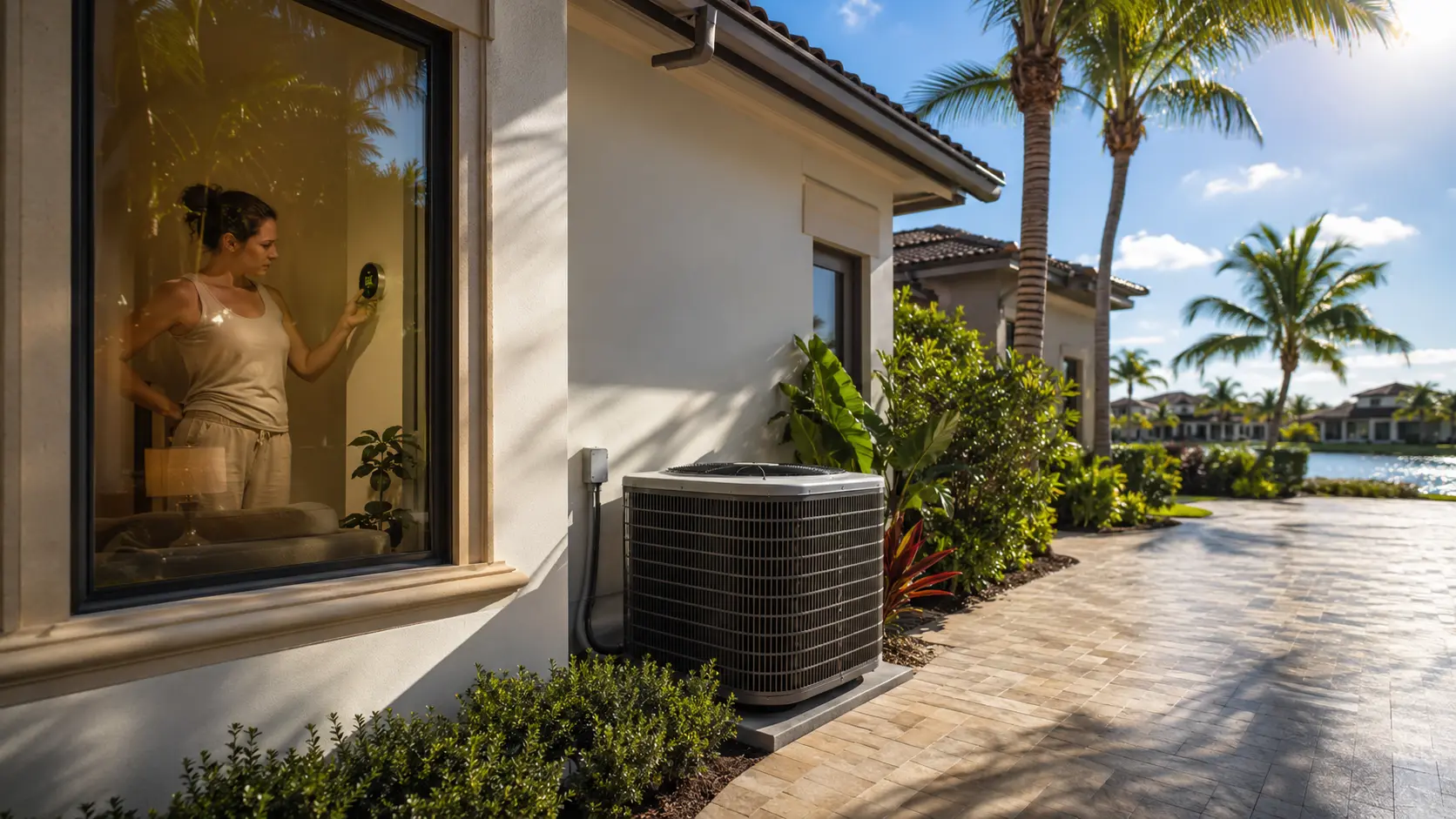
Sign #5: The Thermostat Never Reaches the Set Temperature
If you consistently set your thermostat to a certain temperature but the home never reaches that setting, your AC may lack sufficient capacity.
For example:
- Thermostat set to 72°
- Home remains at 76° or higher
This is often one of the clearest signs that the system cannot keep up with demand.
Sign #6: Frequent Repairs
An undersized air conditioner experiences more stress because it runs longer and harder than intended.
Over time, this can increase the likelihood of:
- Compressor failures
- Capacitor issues
- Refrigerant problems
- Motor wear
- Electrical component failures
If you’re scheduling repairs regularly, the root cause may not be a faulty component but rather a system that was never sized correctly.
Homeowners experiencing frequent breakdowns should consider professional AC repair services to determine whether repair or replacement is the better long-term solution.
What Causes an Air Conditioner to Be Undersized?
Several factors can contribute to improper sizing.
Common causes include:
- Incorrect load calculations during installation
- Home additions increasing cooling demands
- Poor insulation
- Larger families generating more indoor heat
- Changes in home layout or usage
A professional HVAC evaluation can determine whether your current system is appropriately sized.
How HVAC Professionals Determine the Correct Size
Proper AC sizing involves more than simply measuring square footage.
Professionals evaluate:
- Home size
- Ceiling height
- Window placement
- Insulation levels
- Sun exposure
- Number of occupants
- Ductwork performance
These calculations help ensure the system can maintain comfort efficiently without excessive strain.
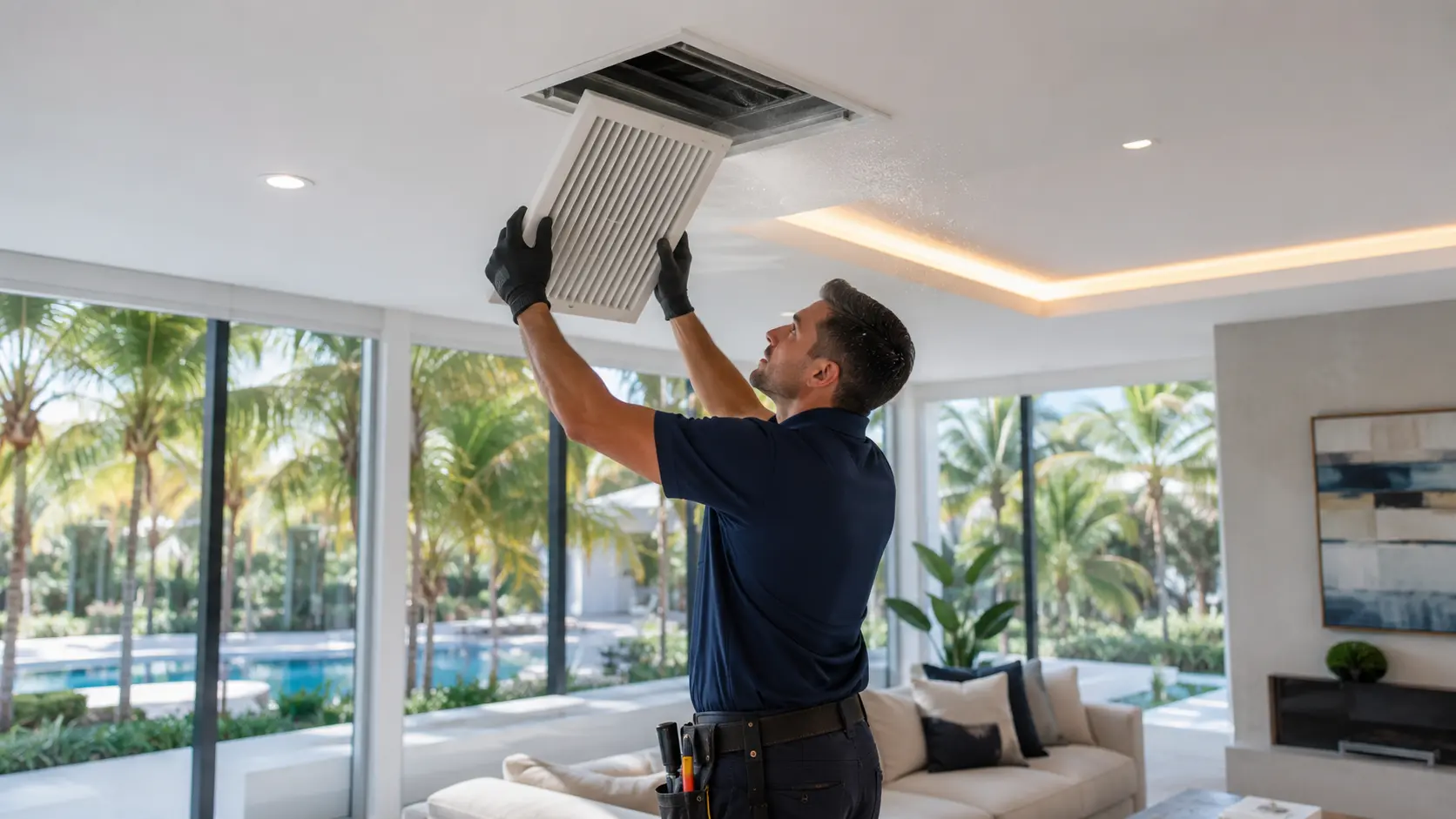
If you’re considering a replacement, a professional AC installation service can perform a detailed load calculation to identify the ideal system size for your home.
When Replacement Makes More Sense Than Repair
In some situations, continuing to repair an undersized system becomes more expensive than upgrading to properly sized equipment.
Replacement may be the better option if:
- The system is more than 10-15 years old
- Energy bills continue increasing
- Repairs are becoming more frequent
- Comfort issues persist despite maintenance
A modern, properly sized system can improve efficiency, reduce operating costs, and provide better overall comfort.
The Benefits of a Properly Sized Air Conditioner
Upgrading to the correct system size can deliver several advantages.
Benefits include:
- Consistent indoor temperatures
- Improved humidity control
- Lower utility bills
- Fewer repair visits
- Longer equipment lifespan
- Better overall comfort
For many homeowners, proper sizing is the difference between constantly battling HVAC issues and enjoying reliable cooling year-round.
Final Thoughts
An air conditioner that is too small for your home can create a wide range of problems, from high energy bills and humidity issues to constant operation and repeated repairs.
If your system struggles to keep your home comfortable, it may be time to evaluate whether sizing is the real issue. A professional assessment can help determine whether maintenance, repairs, or a properly sized replacement system is the best solution.
Addressing the problem early can save money, improve comfort, and help ensure your home stays cool even during the hottest South Florida summers.