If you’re looking to improve indoor air quality, you’ve probably come across two popular options: in-duct UV air purifiers and portable air purifiers. Both can help address indoor air quality concerns, but they work differently and serve different purposes.
For South Florida homeowners dealing with humidity, musty odors, and concerns about airborne contaminants, understanding these differences can help you choose the right solution.
An in-duct UV air purifier uses ultraviolet light inside your HVAC system to target certain microorganisms. Portable air purifiers, on the other hand, typically use filters to capture airborne particles in individual rooms.
Here’s how they compare.
How Does an In-Duct UV Air Purifier Work?
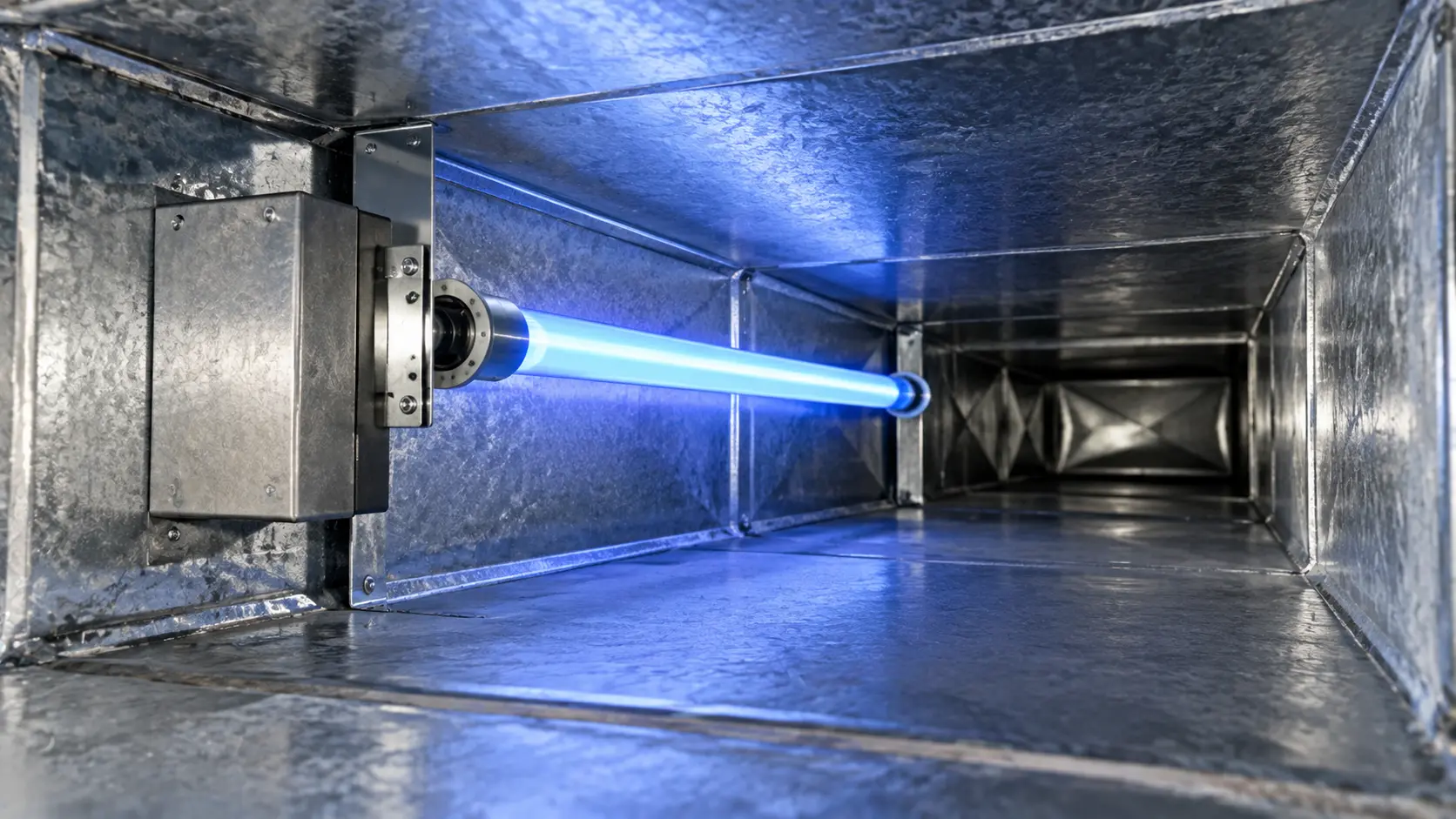
An in-duct UV air purifier uses ultraviolet germicidal irradiation, commonly called UV-C, to inactivate susceptible microorganisms.
These systems are installed inside your home’s HVAC equipment or ductwork. Depending on the design, UV lights may target:
- Mold and microbial growth on evaporator coils
- Bacteria and other microorganisms exposed to UV-C light
- Certain airborne microorganisms passing through the HVAC system
UV systems designed for coil treatment help limit microbial buildup on damp HVAC components. Air-treatment systems are designed to expose moving air to UV-C light.
Effectiveness depends on factors such as UV intensity, exposure time, installation location, and system design.
Unlike traditional air filters, UV air purifiers do not physically capture dust, pollen, or pet dander.
Homeowners interested in whole-home HVAC solutions can learn more about Atlantic Air Solutions’ UV air purifier installation services.
How Do Portable Air Purifiers Work?
Portable air purifiers are standalone devices designed to clean the air within a specific room.
Many use HEPA filters to capture airborne particles, including:
- Dust
- Pollen
- Pet dander
- Smoke particles
- Certain airborne allergens
Some models also include activated carbon filters to help reduce specific odors and gaseous pollutants.
Portable units are generally easy to operate and don’t require HVAC modifications. However, their effectiveness depends on room size, airflow, filter quality, and proper placement.
In-Duct UV vs. Portable Air Purifiers: Key Differences
Although both technologies address indoor air quality, their strengths are different.
Coverage
- In-duct UV systems: Installed within central HVAC equipment and designed to treat specific components or air moving through the system.
- Portable purifiers: Primarily clean air within the room where they’re operating.
Contaminants
- UV air purifiers: Target susceptible microorganisms through UV-C exposure.
- Portable HEPA purifiers: Capture airborne particles such as dust, pollen, and pet dander.
Maintenance
- UV systems: Require periodic lamp replacement, cleaning, and inspection according to manufacturer recommendations.
- Portable purifiers: Require regular filter replacement and routine cleaning.
Installation
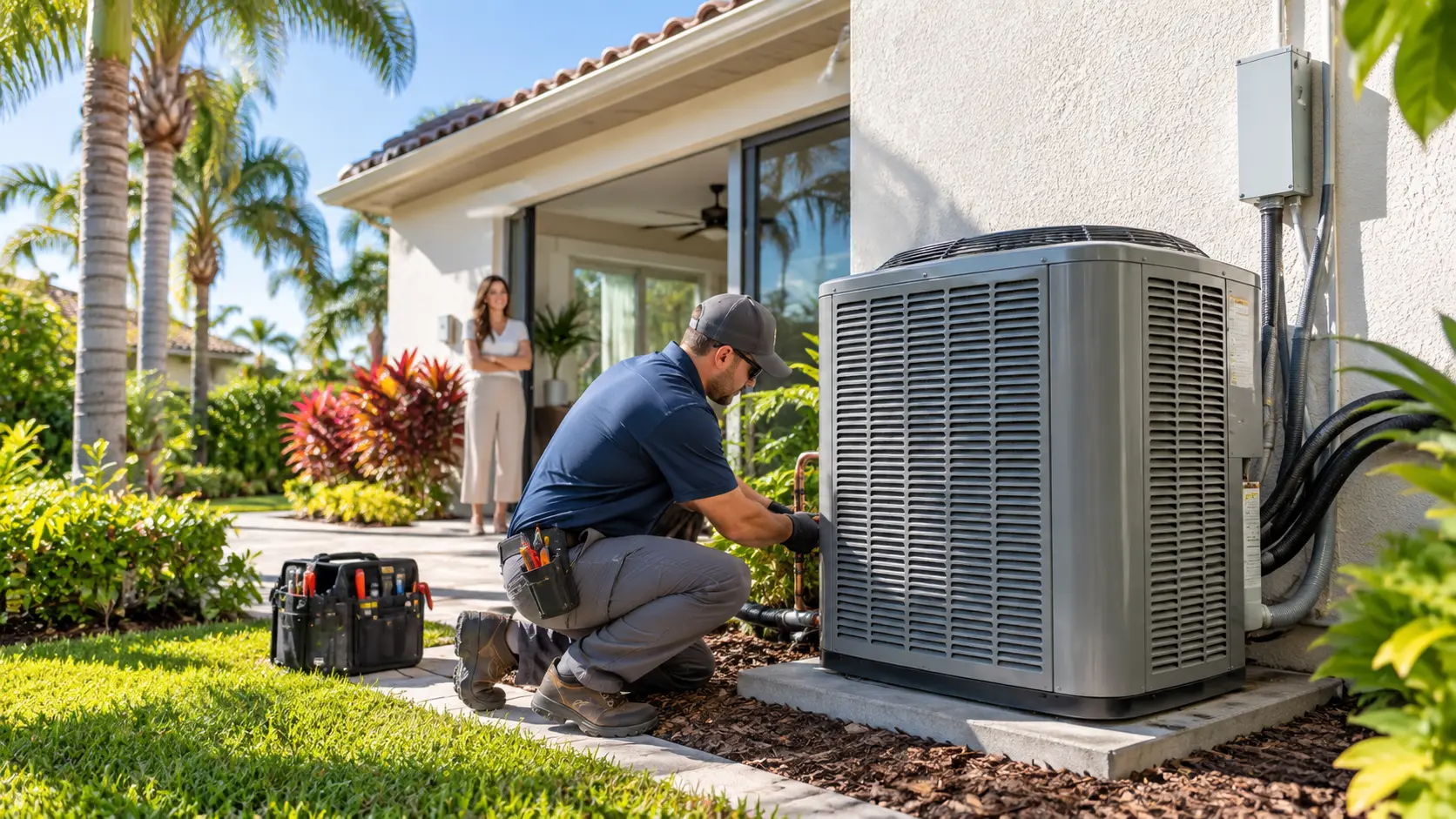
- UV systems: Typically require professional installation within the HVAC system.
- Portable purifiers: Usually plug into a standard electrical outlet.
Which Air Purifier Works Better in South Florida?
South Florida’s high humidity creates conditions where moisture can accumulate on HVAC components, particularly evaporator coils.
For homeowners in Coral Springs, Parkland, Boca Raton, and surrounding Broward County communities, coil-mounted UV systems may help control microbial buildup on these damp surfaces.
Portable HEPA air purifiers can be useful when the primary concern is airborne dust, pollen, or pet allergens in a particular room.
Neither option replaces proper humidity control, ventilation, air filtration, or routine HVAC maintenance.
Can You Use Both Types Together?
Yes. In fact, the two technologies can complement each other.
An in-duct UV system may help control microbial growth inside HVAC equipment, while a portable HEPA purifier captures airborne particles in frequently used rooms.
The right combination depends on your home’s specific air quality concerns.
For a closer look at the benefits and limitations of HVAC UV technology, read our guide: Are In-Duct UV Air Purifiers Worth It?
Choosing the Right Air Purification Solution
If your main concern is microbial buildup on HVAC coils, an in-duct UV air purifier may be worth considering. If you’re primarily concerned about dust and allergens in a bedroom or living area, a portable HEPA purifier may be more appropriate.
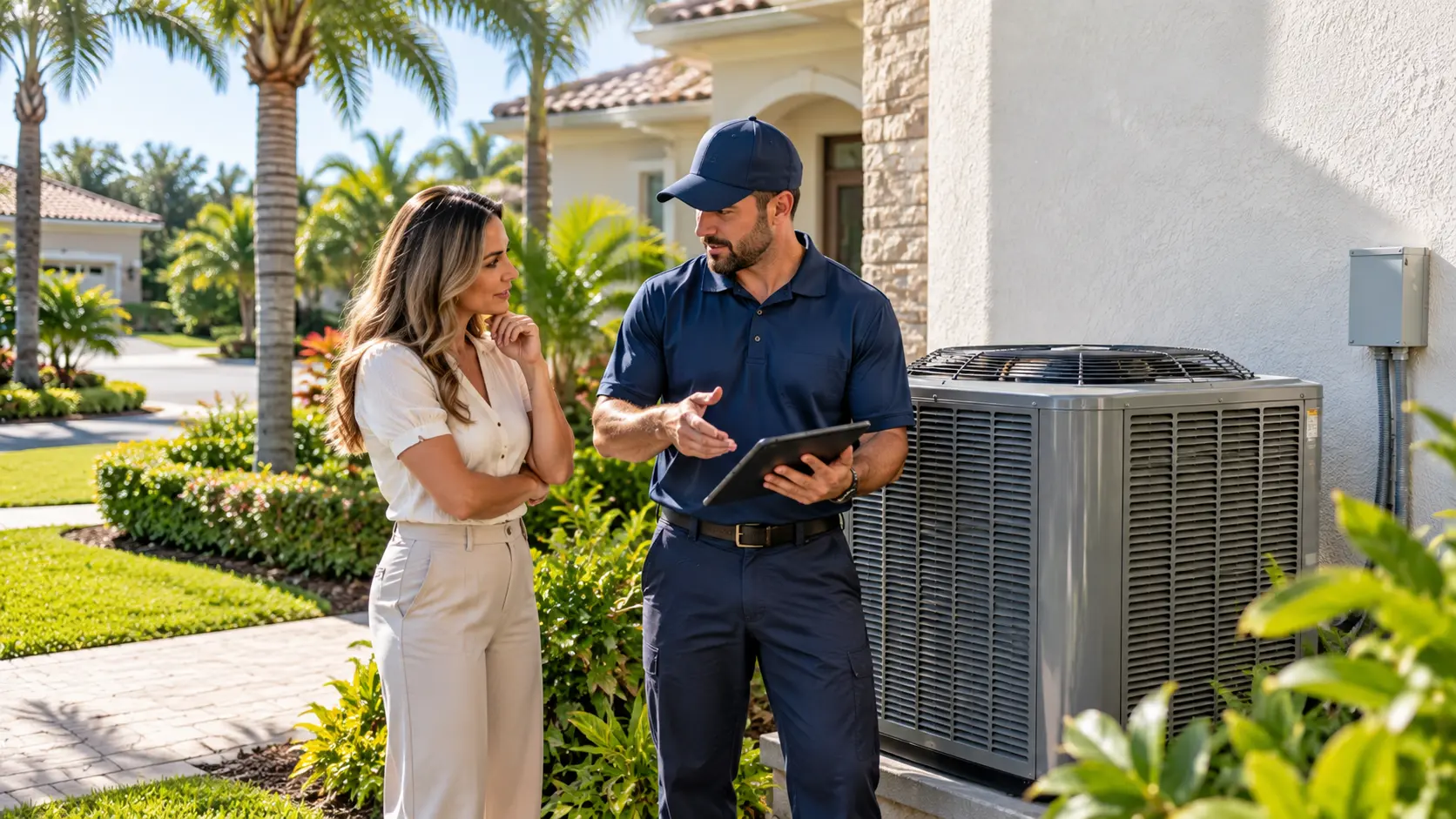
Atlantic Air Solutions Inc. helps South Florida homeowners explore HVAC air purification options based on their equipment and indoor air quality needs.
Contact Atlantic Air Solutions today to learn whether an in-duct UV air purifier is a good fit for your home.